

Buying a Home in Ontario: From Setting Your Budget to Closing
The home search usually starts with something small. Your rent goes up again. You need another bedroom. A listing appears in a neighbourhood you thought was out of reach.
Then you start looking seriously, and the questions get bigger. How much can you afford? Is the asking price reasonable? What happens if you find the right home before your money is ready?
Buying a home in Ontario involves several decisions that affect one another. The down payment changes your mortgage. The location changes your closing costs. The condition of the property changes what you will need to spend after moving in.
Getting those pieces clear early gives you more freedom when you find a place you want. You can judge the home on its merits, with a budget and a plan already behind you.
Start with a monthly cost you can live with
A lender can tell you how much you qualify to borrow. You still need to decide how much of your income you want going toward the home.

That means looking beyond the mortgage payment. Property taxes, insurance, utilities, maintenance, and condo fees all belong in the monthly budget. So do the expenses that continue after you get the keys: childcare, car payments, groceries, retirement savings, and the occasional weekend away.
A home can fit the lender’s calculations and still leave your household feeling stretched.
Start with your take-home income and current spending. Work out what would change after buying, including your commute and any repairs you already know the property would need. Leave room for costs you cannot predict yet.
For a new mortgage at a federally regulated lender, qualification generally includes a stress test using the higher of 5.25 percent or your contract rate plus two percentage points. That qualifying rate is used to assess your ability to carry the loan; it is different from the rate used to calculate your actual payments. Financial Consumer Agency of Canada’s mortgage qualification guidance
Get a mortgage pre-approval before you begin serious showings. Ask what documents the lender has reviewed, what assumptions the approval depends on, and what still needs to happen once you choose a property.
Try a few purchase prices and down payments. Compare the monthly difference before deciding where to set your search limit.
Your down payment is only part of the cash you need
It is easy to spend months saving toward one number and discover that closing requires more.
For an eligible purchase, Canada’s minimum down payment rules generally work like this:
| Purchase price | Minimum down payment |
|---|---|
| $500,000 or less | 5 percent |
| More than $500,000 and less than $1.5 million | 5 percent of the first $500,000, plus 10 percent of the remainder |
| $1.5 million or more | 20 percent |
On a $900,000 home, that produces a minimum down payment of $65,000. A lender may require more depending on your circumstances, and mortgage default insurance is generally required when the down payment is below 20 percent. Government of Canada’s down payment guidance
The minimum tells you where eligibility may begin. It does not tell you whether that purchase leaves enough cash for closing, repairs, and everyday life.
Check which first-time buyer programs apply to you
An eligible first-time buyer can use a First Home Savings Account to save toward a purchase. Participation room starts when you open your first FHSA, with $8,000 of room in that year and a general lifetime limit of $40,000. Contributions are generally deductible, and qualifying withdrawals are tax-free. Your available room depends on your account history. CRA’s FHSA guidance
The Home Buyers’ Plan currently allows eligible withdrawals of up to $60,000 from an RRSP. It can be used alongside a qualifying FHSA withdrawal for the same home, provided you meet each program’s conditions. HBP withdrawals come with repayment requirements, so include those future repayments in your planning. CRA’s Home Buyers’ Plan guidance
Check eligibility before moving money. Being a first-time buyer for one program does not automatically qualify you for every other benefit.
Decide what the home needs to do for you
A search gets harder when every attractive feature becomes a requirement.
Before touring, agree on the things that would make a property unsuitable. That might be an unreliable commute, too many stairs, no space for a parent, or a layout that cannot accommodate working from home.
Then separate those needs from the things you would enjoy having.
A dated kitchen may be something you can live with for several years. An extra forty minutes in traffic affects every working day. A finished basement may look useful, but it deserves closer investigation if your budget depends on renting it out.
Be specific enough that you can compare homes consistently. “Good location” means less than “within a twenty-minute walk of the station.” “Enough space” means less than knowing where two people would take work calls at the same time.
Visit the area when you would actually use it. Check the commute during working hours. Confirm school boundaries with the relevant school board. Look into parking arrangements rather than assuming the street will have room.
If you also own a home, work out how the sale fits into the purchase before committing to the next one. Your available equity depends on what remains after the mortgage payout and selling costs.
Compare the property with the homes a buyer would actually choose instead
The asking price gives you a starting point. Recent comparable sales help you decide whether it makes sense.
A renovated detached home on a quiet street should not be compared casually with one beside a busy intersection. Two condo units in the same building can differ because of floor level, parking, exposure, layout, and condition.
Ask which sold properties are the closest comparisons and what adjustments explain the differences. Look at the available competition too. A home that seemed fairly priced last month may face better alternatives today.
Regional market figures provide context, but your decision happens at a smaller scale. The competition for a particular townhome in Markham can look different from the competition for a downtown Toronto condo.
During showings, give the less photogenic parts of the property some attention. Storage, drainage, heating equipment, signs of water damage, and the age of major components can affect your ownership costs more than a fresh coat of paint.
RECO recommends investigating the home’s systems, asking about renovation permits, and considering an inspection before committing. RECO’s buyer checklist
Set your offer limits before the negotiation starts
Once you picture yourself living in a home, it becomes easier to explain away another increase in price.
Decide your limit while you can still compare the property calmly. Account for the repairs you expect, the cash needed at closing, and the monthly cost at your proposed purchase price.
The offer also needs to address timing, included items, and the protections you require. Appliances, fixtures, and any agreed repairs should be documented clearly.
Financing, inspection, and other conditions can give buyers time to investigate important parts of the purchase. RECO advises buyers to consider conditions that protect their interests and to think carefully before waiving them in a competitive situation. RECO’s guidance for buyers
Have the deposit ready
Your deposit is paid according to the amount, deadline, and instructions in the purchase agreement. Confirm those details before signing, along with how you will access and deliver the funds.
For a straightforward purchase, the deposit is credited toward the purchase price. It normally forms part of your down payment.
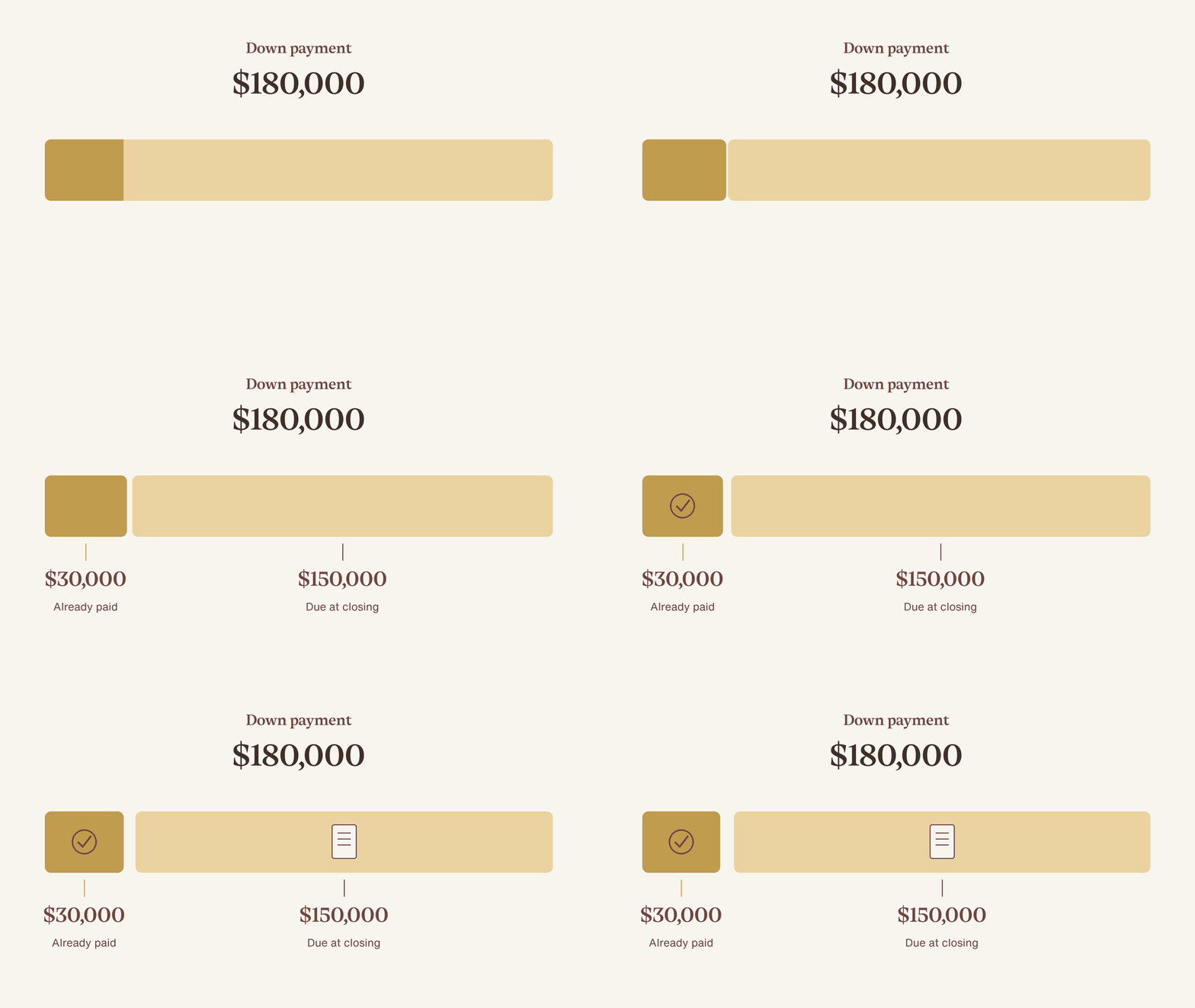
If you plan to put $180,000 down and pay a $30,000 deposit, that generally leaves $150,000 of the down payment to provide at closing, plus your closing costs.
Missing the deposit deadline is serious. RECO warns that failing to deliver it can breach the agreement; withholding the money does not automatically cancel the purchase. RECO’s explanation of deposits
Use the conditional period to resolve the unanswered questions
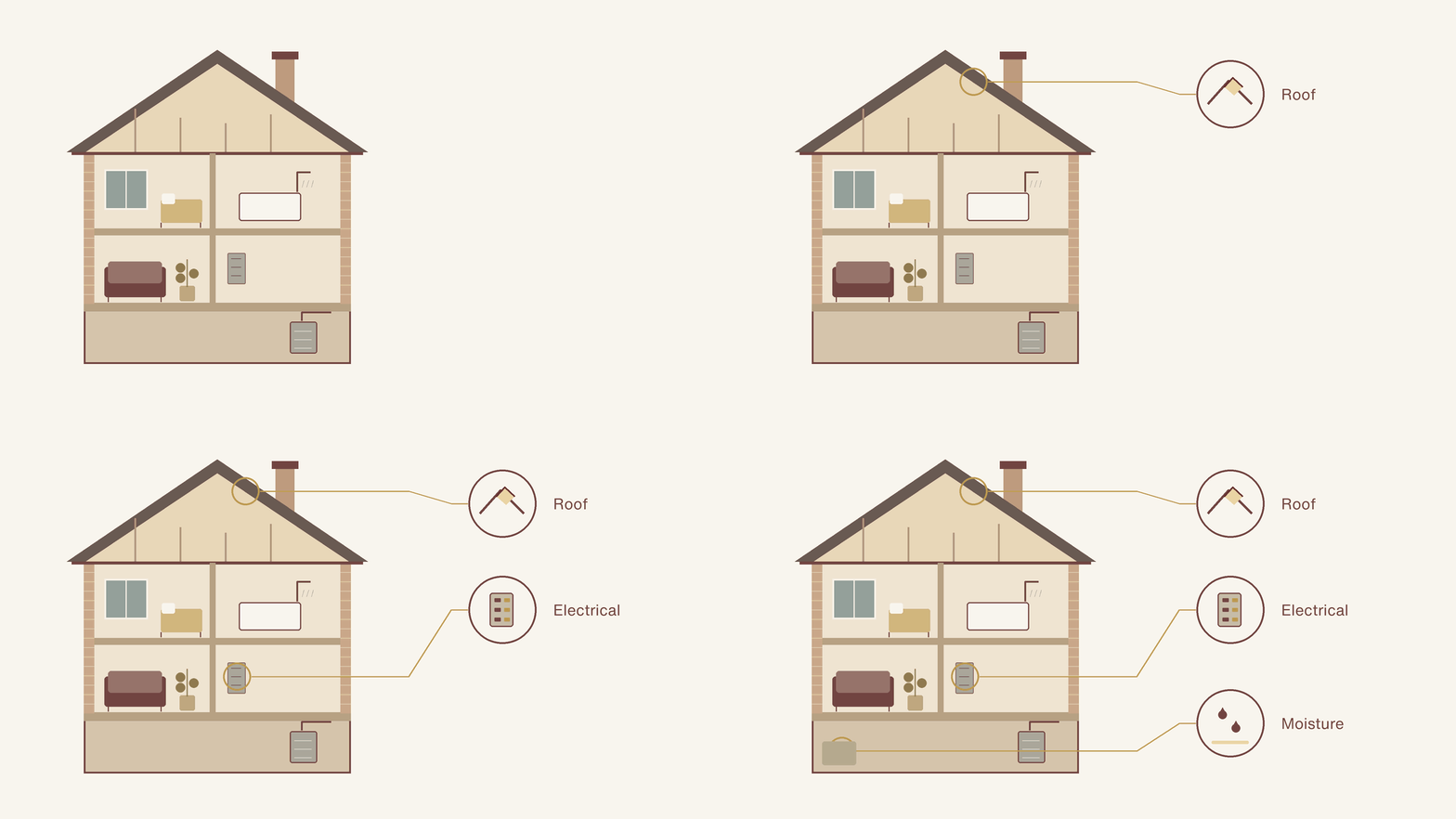
An accepted conditional offer starts a period of work with specific deadlines.
Send the agreement and requested documents to your lender promptly. Arrange the inspection and legal review required by your conditions. Make sure you understand what each condition requires and when you must act.
For financing, ask whether the lender has approved both your financial situation and the property. A pre-approval should not be treated as confirmation that every home you choose will qualify.
For an inspection, focus on the findings that affect safety, ongoing costs, or major repairs. Ask what needs immediate attention, what can wait, and where a specialist should investigate further.
For a resale condo, review the corporation as well as the unit

The monthly fee is only one part of the picture.
Have your lawyer review a current status certificate and its supporting documents. These can include information about the reserve fund, common expenses, special assessments, governing rules, and litigation involving the corporation. The Condominium Authority of Ontario recommends legal review because these details can materially affect the purchase. CAO’s status certificate guidance
A unit can look well maintained while the building faces expensive work. Understanding both helps you judge what ownership could cost.
A worked example: buying a $900,000 home in Ontario
Consider a buyer purchasing a resale home for $900,000 with a 20 percent down payment.
The buyer qualifies for the full provincial first-time buyer refund and, if purchasing in Toronto, the full municipal rebate. This example assumes no additional purchaser-specific taxes apply.
| Cash requirement | Markham purchase | Toronto purchase |
|---|---|---|
| Down payment | $180,000 | $180,000 |
| Ontario land transfer tax before refund | $14,475 | $14,475 |
| Ontario first-time buyer refund | −$4,000 | −$4,000 |
| Toronto land transfer tax before rebate | $0 | $14,475 |
| Toronto first-time buyer rebate | $0 | −$4,475 |
| Illustrative allowance for other purchase and moving expenses | $6,000 | $6,000 |
| Total planned cash | $196,475 | $206,475 |
The provincial calculation follows Ontario’s land transfer tax rates. Eligible buyers can receive a provincial refund of up to $4,000.
Toronto adds its own municipal land transfer tax, with a first-time buyer rebate of up to $4,475 for eligible purchasers.
The $6,000 allowance is a planning assumption covering items such as legal costs, title insurance, inspection, adjustments, and moving. Replace it with quotes and estimates for your purchase. It excludes renovations and the emergency savings you want to retain after moving.
If this buyer has already paid a $30,000 deposit, the remaining planned cash is $166,475 for the Markham purchase or $176,475 for Toronto. The deposit is already included in the totals above.
This is why two homes with the same price can require different amounts of cash.
Get ready for closing before the final week
Once the purchase is firm, confirm the remaining steps with your lawyer and lender. Know when funds must arrive, which documents you need to sign, and what insurance must be in place.
Arrange utilities and moving plans around the actual possession arrangements. Avoid assuming you will receive the keys first thing in the morning.
Where your agreement provides for a pre-closing visit, use it to check the property’s condition, included appliances and fixtures, and any work the seller agreed to complete. Raise problems promptly with your agent and lawyer. RECO’s pre-closing visit guidance
Keep some flexibility in the moving schedule. A delayed key handover is easier to manage when the truck is not already waiting outside.
Start looking with a budget you trust
You do not need every detail settled before opening a listing. You should know your comfortable monthly cost, the cash available for the purchase, and the requirements that would make a home work for you.
Those answers make the search more useful. You can spend time on properties you could realistically buy and recognise when an attractive listing asks for compromises you would regret.
Realtris can help you explore Ontario homes and narrow the options around your budget, location, and household needs.
Frequently asked questions
Do I need 20 percent down to buy a home in Ontario?
Not for every purchase. Eligible homes priced below $1.5 million can have lower minimum down payments. Mortgage default insurance is generally required below 20 percent down, and your lender may require more than the minimum. Canada’s down payment rules
Is my deposit separate from my down payment?
The deposit is paid earlier under the purchase agreement and is credited toward the purchase price. It normally counts toward your down payment. Have your lawyer confirm the remaining funds required for closing.
Does a mortgage pre-approval mean financing is guaranteed?
No. The lender still needs to complete its requirements for your purchase. Ask what remains outstanding before deciding whether to remove a financing condition.
Do first-time buyers pay land transfer tax?
They may. Eligible refunds can reduce the bill, but they do not necessarily eliminate it. Toronto purchasers also need to account for municipal land transfer tax. Eligibility must be checked separately for each rebate.
How long does buying a home take?
The search, offer conditions, financing, and agreed closing date all affect the timeline. Build your plan around the transaction’s actual deadlines, including notice to your landlord or the closing of a home you are selling.
Related reading
- Should You Buy or Sell First in Ontario?
- How Much Does It Cost to Sell a House in Ontario?
- September 2026 GTA Market Watch