

September 2026 GTA Market Watch: What August's Numbers Say
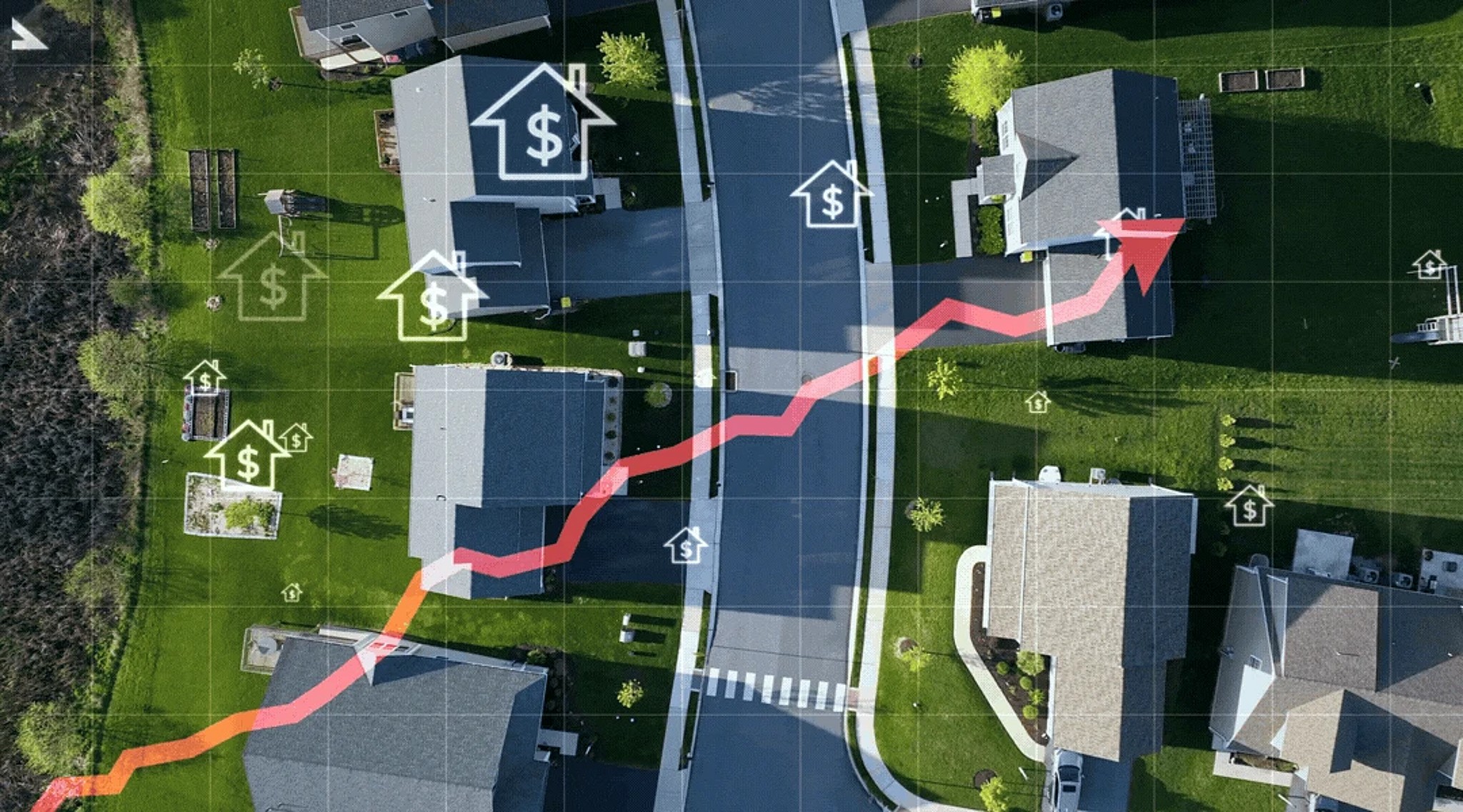
One person looking for a Toronto condo and another hoping to move up to a detached home in Markham can hear the same market headline and be looking at two very different situations.
That is why a useful market update needs more than a sales count. It needs to show how many homes sold, how many came to market, how long properties took to sell, and where the numbers change by home type or city.
In August, our database recorded fewer sales and fewer new listings than a year earlier. Homes also took longer to sell on average, while price movements varied by property type and city. Together, the figures point to a slower market with important local differences, not one GTA-wide story.
August at a glance

All figures below come from Realtris market trends calculations.
- 4,902 home sales
- 12,770 new listings
- $850,000 median sale price
- 36 average days on market
- 38.4 recorded sales for every 100 recorded new listings
Compared with August 2025, Realtris recorded 3.4% fewer sales, 10.9% fewer new listings, and a 5.5% lower median sale price. Average days on market rose to 36 from 34.
The database does not preserve a verified August 31 listing-status snapshot, so we are not publishing a month-end active-listing total or a year-over-year inventory change. New listings count homes that entered the market during the month, while sales count completed transactions. The sales-to-new-listings ratio compares those two monthly flows; it is not a months-of-inventory measure.
A slower sales pace does not make every local market the same
Realtris recorded fewer sales and fewer new listings and a 36-day average time on market, compared with 34 days in August 2025. The regional figures give scale, but do not tell us how much competition buyers faced in every neighbourhood or property type.
For buyers, a GTA-wide sales count is a reason to watch the exact neighbourhood and property type, not a reason to rush into the first acceptable home. For sellers, fewer new listings do not guarantee a premium. A well-presented, accurately priced home can draw interest; one priced above its closest alternatives can still sit.
The difference becomes clearer when we separate property types.
Condos and detached homes are telling different stories
GTA condo apartments recorded 1,326 sales in August, nearly the same number as the 1,335 recorded a year earlier. The median sale price was $530,000, down 7.0% year over year. The average time on market reached 42 days, compared with 40 days last August.
Detached homes recorded 2,226 sales, down 2.5% from a year earlier. Their median was $1,137,300, down 2.8%. Average days on market edged from 32 to 33.
Both groups took a little longer to sell than last August, and the condo apartment median fell more. A buyer comparing condos should take time to review building documents, monthly fees, and recent sales. Someone looking at detached homes should compare condition, lot, renovations, and the cost of work needed. In either case, region-wide supply is only context; current options in the target area matter more.
These are medians, not price tags for every home. The median can move when the mix of homes sold changes. A two-bedroom condo with parking is not interchangeable with a studio, and a renovated detached home is not a direct comparison to one that needs work. Use the numbers to ask better questions, then check recent comparable sales for the exact property type and area.
The city matters as much as the GTA headline
August medians in the Realtris database also show why a single regional number cannot set expectations for every neighbourhood. The Toronto median was $775,880, down 4.2% from August 2025. Markham's was $1,098,000, up 2.6%. Mississauga's was $840,000, down 7.5%.
Those different directions are a reminder to keep the comparison local. A change in one month's median does not mean every home in that city gained or lost the same amount. It may reflect which kinds of homes happened to sell. In Markham, for example, August detached sales had a median of $1,488,250, while condo apartments had a median of $552,400. The citywide median blends those and other categories together.
For anyone buying or selling, the useful comparison is usually narrower: recent sales of similar homes, in a similar part of the city, with a similar condition and set of features. A GTA average can provide context, but it is a weak substitute for that work.
What this means if you are buying

GTA-wide sales and new-listing totals do not show how many real alternatives exist in a particular building, street, or price range. Before choosing an offer, compare the current listings and recent sales for the kind of home you want. Check how long similar homes have been available, and note whether one has been relisted or reduced.
If you are shopping for a condo, include monthly maintenance fees and the status certificate review in your budget and due diligence. For a detached home, compare condition, lot, renovations, and the cost of work you would need to do. The right offer depends on the individual home and its competition, not just on whether a headline says the market favours buyers.
You do not need to predict the market's next move to make a sound decision. Set a budget that still works if prices stay flat, decide what compromises you can live with, and let the recent sales and current alternatives guide your pace.
What this means if you are selling
Realtris recorded fewer sales and fewer new listings year over year, with homes taking slightly longer to sell on average. Those market-wide changes do not set the value of your home or guarantee a quick sale. Price and presentation still need to fit the closest competition and recent comparable sales.
An old neighbour's sale or a high asking price can become an easy anchor, but neither tells you what buyers are choosing today. The strongest plan is one that accounts for the home's actual condition, the closest competition, and the price range your likely buyer is searching in. If the estimate only works at the highest number in your range, revisit the plan before you commit to your next purchase.
The September read
August did not deliver one simple message. Realtris's database shows fewer sales and new listings than last year, longer average time on market, and medians varying by city and property type. Buyers should check the exact homes available to them; sellers should price against the sales and competition their likely buyers will compare.
If you are planning a move this fall, start with the homes and neighbourhoods you are actually considering. For buyers, compare recent sales and the current alternatives. For sellers, build a value range from comparable properties and calculate the net proceeds before setting a purchase budget. A specific plan beats trying to time the whole GTA market.
Frequently asked questions
Is the GTA a buyer's market in September 2026?
Realtris's August snapshot shows more active listings than a year earlier and roughly 6.1 months of sales at August's pace. That gives buyers more choice across the region. It does not mean every home is negotiable by the same amount. The city, property type, condition, and nearby competition still matter.
Why did active inventory rise if fewer new homes were listed?
New listings count homes that entered the market during August. Active inventory counts homes still available at month end, including properties listed earlier. Fewer new listings can arrive while unsold homes continue to accumulate, especially when sales are not keeping pace with the stock already available.
Are condo apartment prices falling faster than detached home prices?
In the Realtris database, the August median for GTA condo apartments was down 7.0% year over year, while the detached median was down 2.8%. These are category medians, not repeat-sale measures. The mix of homes sold can move a monthly median, so compare similar properties before drawing a conclusion about one home.
How long did homes take to sell in August?
The GTA-wide average was 36 days. Condo apartments averaged 42 days, while detached homes averaged 33. These are averages across each category. A specific home can move faster or slower depending on price, condition, location, and competition.
Is $850,000 a good estimate of what my GTA home is worth?
No. It is the median across all recorded GTA home sales in the database, so it combines condos, townhomes, and detached homes in many different neighbourhoods. For a useful estimate, compare recent sales of similar homes near yours and account for condition and features.
Related reading
About these numbers
These figures are calculated from the Realtris market trends database, refreshed September 20, 2026. August and year-over-year comparisons use recorded monthly sales and listings and are not seasonally adjusted. Active inventory is a month-end count. Medians can change with the mix of homes sold, and citywide figures combine different neighbourhoods and property types. Use them as market context, not as a valuation of an individual property.