

How to Find Sold House Prices in Ontario Before Making an Offer
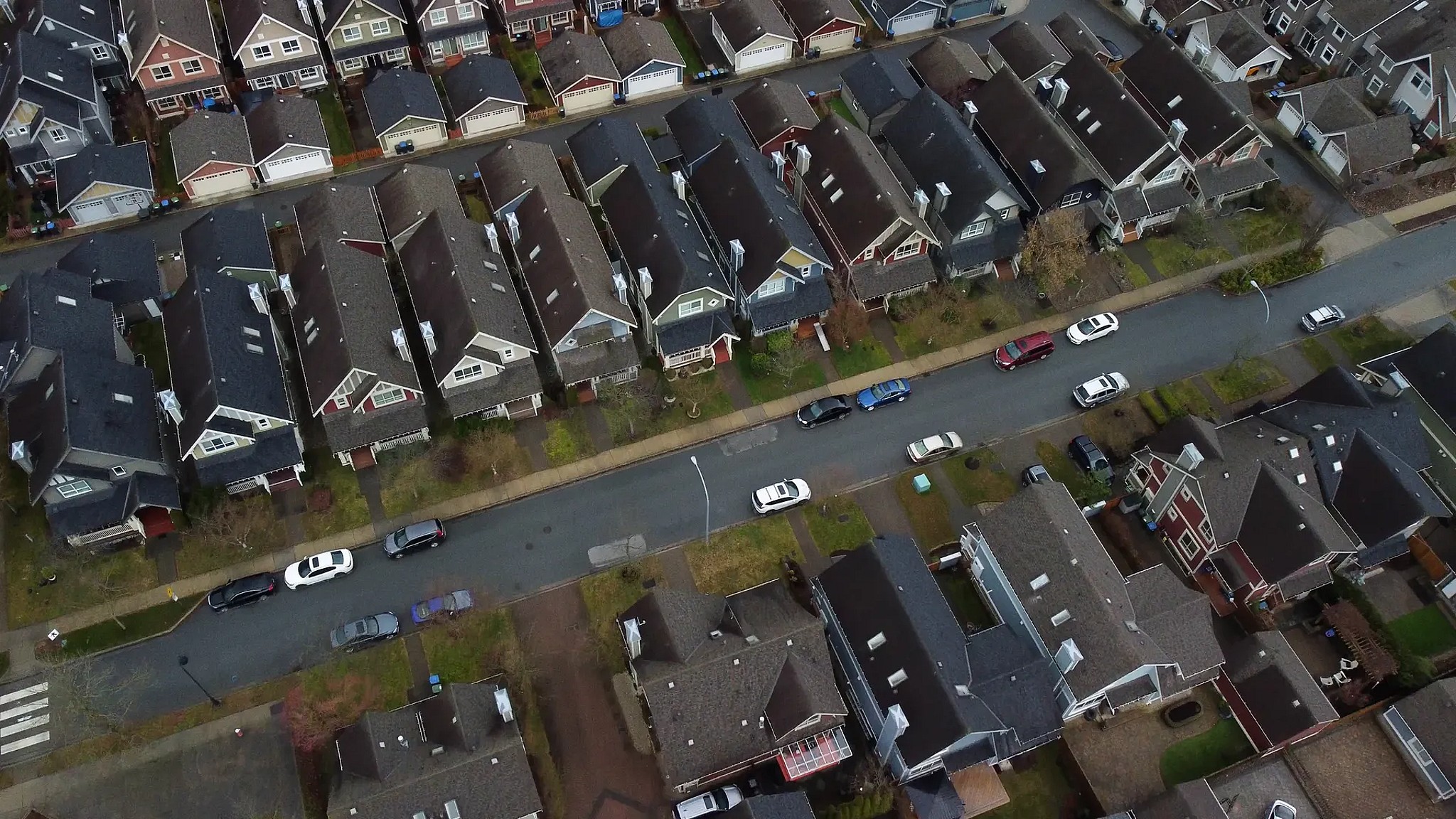
You find a home you like. Three bedrooms, enough space, a street you can picture living on. It is listed at $999,000.
Then you check the other listings. One around the corner is asking $1.1 million. Another looks much the same and wants $949,000. You have three prices and no better idea of what you should offer.
Sold prices give you something firmer to work with: what buyers actually agreed to pay. You can find them through property search services that provide sold data, including Realtris, or ask an agent to pull comparable sales. Access and coverage vary between services, and you may need an account to see the details.
To research an offer, you need three things: relevant sold homes, a clear view of how they differ from your target, and a check on what has changed since they sold. Here is how to work through each.
Start with the home you are considering
A search for everything that sold in Markham can give you a feel for the area. It can also put a small condo beside a detached home with a double garage. Both sold in Markham. Only one might help with your offer.
Start with the address or listing you are interested in, then look for recent sales of the same kind of home nearby. A freehold townhouse needs a different comparison from a condo townhouse with monthly fees. Two detached homes with three bedrooms can differ substantially in floor area, lot size and condition.
If you are still choosing a neighbourhood, narrow the search to a property type and a smaller area first. You can widen it if there are too few relevant sales.
How to find sold comparables with Realtris AI
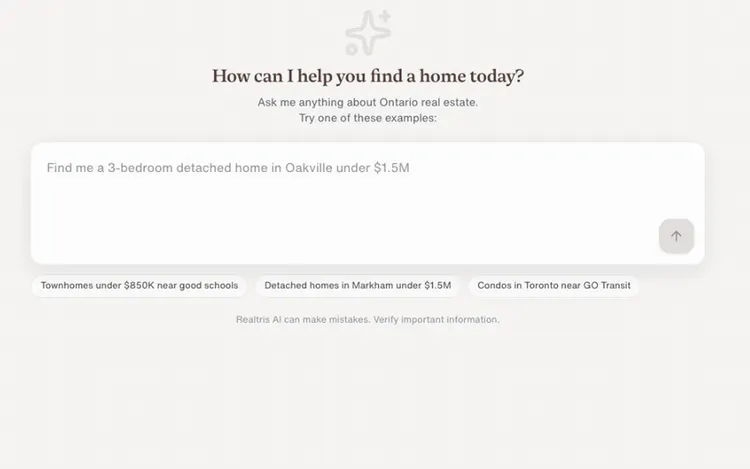
1. Open the property you want to check
Sign in with a free Realtris account, open the property's listing and use the chat bubble. Starting there gives the assistant the listing you are asking about.
If you prefer the full-page Realtris AI chat, include the MLS number in your message. An address can help identify the property, but include the city and unit number where applicable. Two units in the same building are different homes.
2. Ask for comparable sold homes
In the property chat, choose the suggested question:
Show comparable homes that sold nearby.
Realtris AI can return property cards with a brief summary of the available comparable sales.
3. Check the matches before using the range
Open the returned cards and check the available details against the comparison checklist below. The summary's price range is only as useful as the homes behind it. If a key detail is missing, keep it as an unanswered question rather than assuming the properties match.
4. Narrow an area search when you need more context
If you are researching an area before choosing a home, give it a more focused request:
Show me recently sold three-bedroom freehold townhouses in Cornell, Markham.
For a date-limited search, add a follow-up such as:
Limit that search to homes sold in the last 90 days.
If that produces too few results, change one constraint at a time: widen the dates first, or ask for an adjacent neighbourhood. You will know what you relaxed and can judge whether those extra sales are still useful. Check the returned dates and details against the request.
For the assistant's other search and research features, see our introduction to Realtris AI.
What to check when a sold price is missing
A missing result does not mean the home never sold. Before abandoning the search, check:
- The exact property. Include the unit number for a condo and the city for a street name shared by several municipalities. Try the MLS number if you have it.
- The listing status. A terminated, expired or cancelled listing is not evidence of a completed sale. If a listing says sold conditionally, do not assume you have a final sale record or a disclosed sale price.
- The dates and filters. An older transaction can disappear from a search restricted to recent sales. A narrow property-type filter can also exclude the home you meant to find.
- The available record. A service may have a listing without every transaction detail. Updates and geographic coverage can differ. There is no universal waiting period after which every price will appear everywhere.
If you need to establish a particular transaction, ask your agent to check the available records. Ontario also provides access to registered property records through OnLand. That is a separate route for property-record research, rather than a ready-made set of comparable homes with listing photos.
When reviewing any result, confirm which figure is the sold price. An asking price, a previous sale and an automated estimate answer different questions. If a price is not clearly identified, verify it before putting it into your comparison.
Check what makes each sale comparable
Open the sold properties before drawing a conclusion from their prices. The photo on the card will not tell you everything.
Location. A home on a quiet interior street may attract different buyers from one backing onto a busy road. Being close on a map does not settle the comparison.
Ownership and property type. Separate freehold from condominium ownership, and compare similar building styles. Monthly fees and maintenance responsibilities affect the decision.
Size and layout. Check the available floor-area range, bathrooms, parking and usable space. An extra bedroom in the basement is different from an extra bedroom upstairs.
Condition. Read the descriptions and look through the photos. A renovated kitchen, an unfinished basement or a roof that needs work can change how buyers see the price. Some differences still need a visit to understand.
Timing. Recent sales are generally more useful, but recency alone does not make a home comparable. If you need to look further back, consider whether local conditions have changed since the sale.
For a condo, check the building and monthly fees too. A similar-sized unit in another building may have different maintenance responsibilities, amenities or financial issues. A lower sale price alone does not establish better value.
What three sold prices might actually tell you
Suppose you are considering that three-bedroom freehold townhouse listed at $999,000. You find three nearby sales:
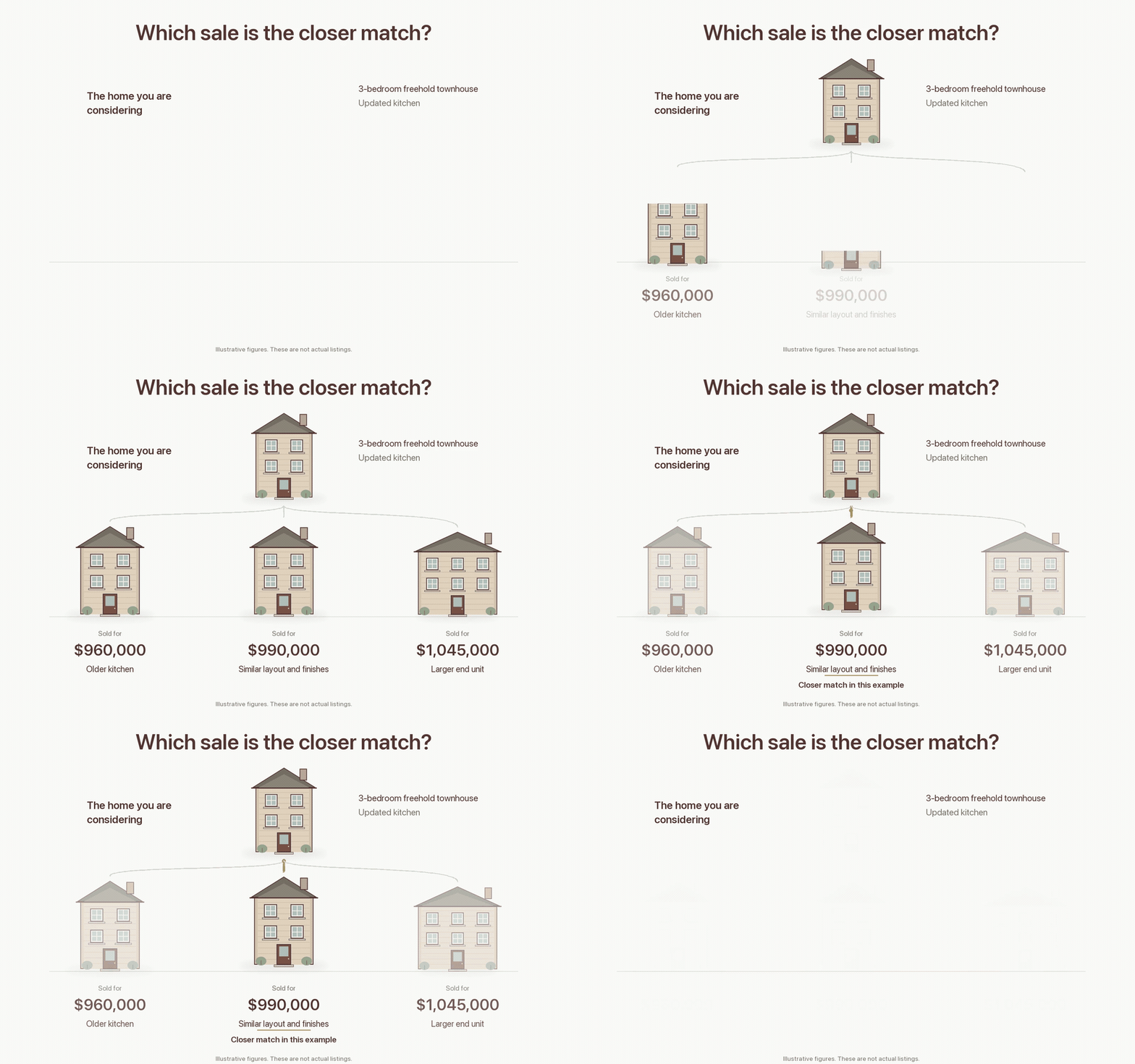
These are fictional figures for illustration, not actual sales or a valuation.
Home C is the highest sale, but its extra space makes it a weaker match. Home B may be more useful if the home you want has similar finishes. If your target needs substantial work, that difference deserves attention before you treat $990,000 as a reference point.
You now have better questions to ask at the showing. How does the condition compare with Home B? Is there anything about the lot or layout that supports the higher asking price? What work would you need to budget for?
Do not deduct a renovation quote dollar for dollar from a comparable sale. The work's cost and the amount buyers will pay for the finished result can differ. Flag the difference for your agent to assess rather than inventing a precise adjustment.
Do not let the asking price do all the thinking
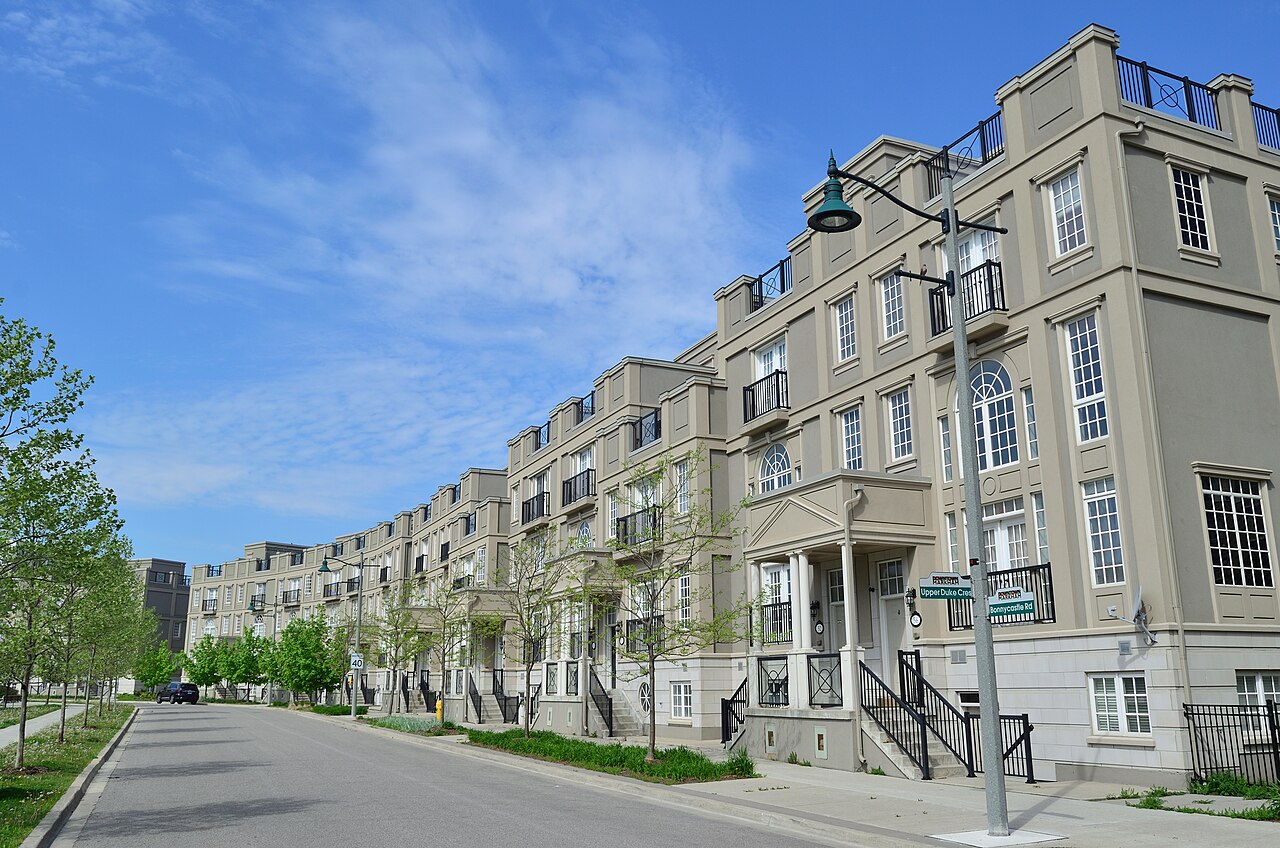
A home listed at $999,000 can make $990,000 feel like a reasonable offer simply because the numbers are close. Start with the relevant sales and the property's condition before deciding what the asking price means.
The same applies to a home advertised as selling over asking. A property listed at $899,000 and sold for $980,000 went $81,000 over asking. Another listed at $1,050,000 and sold for $1 million went $50,000 under. In this fictional example, the second buyer still paid more. Neither headline establishes which home was better value.
Listing history can add context too. A home may have been listed, taken off the market and brought back under a new listing. Where earlier records are available, read the sequence of dates and price changes instead of relying on the age of the current listing alone. Do not count several listings for the same home as several separate sales.
That history can tell you how the home was marketed. It cannot tell you the seller's private reasons for relisting or their minimum acceptable price.
Use an AI estimate as another reference
Once you have a specific listing, you can ask Realtris AI:
Is this home priced fairly?
For supported listings, the assistant can use an automated value estimate alongside sold comparables to put the price in context. It may need the MLS number if it cannot identify the property from the conversation.
The estimate is in beta and is not an appraisal. If the result seems surprising, inspect the supporting properties and ask an agent to review the differences. An estimate cannot replace seeing the home or checking details that the listing leaves out.
Turn the research into questions for your agent
Bring the listing and your closest comparable sales to the conversation. You should be able to ask:
- Which sale is the strongest match, and what makes the others less useful?
- Has local demand or competing inventory changed since those homes sold?
- What condition issues or missing details could change the comparison?
- What price and terms fit both the evidence and my financing?
Active listings help with the second question. Sold homes show past agreements; current alternatives show what else a buyer can choose today. Several similar homes now competing for buyers can change the context of a sale from three months ago.
Keep your own budget separate from the valuation discussion. A price can be supported by nearby sales and still leave you short after closing costs or repairs. Likewise, a pre-approval does not remove every financing risk for a particular property. RECO's buyer guidance recommends conditions for financing, inspection and other important matters where possible. Discuss those alongside the amount you offer.
Start with one listing
Have a listing in mind? Open it and ask: "Show comparable homes that sold nearby."
Frequently asked questions
How far back should I look for comparable sales?
Start with recent sales, such as the past 90 days, and widen the period if you cannot find enough close matches. That is a research starting point, not a valuation rule. An unusual home may require older evidence and more professional judgment about what has changed.
Is the last sold price what the home is worth today?
It records a past transaction. The home, local competition and market conditions may have changed since then. Compare current relevant sales before using an older price to judge today's asking price.
Can I average the sold prices to work out an offer?
An average gives every sale equal weight, even when one home is a much closer match than the others. Use the strongest comparisons to guide a discussion about value. An average that mixes different sizes, ownership types or conditions can hide the very differences you need to understand.